Enhance Your Home With Skilled Building Services
Transforming a home through qualified architectural expertise involves more than just aesthetics. It requires a deep understanding of functional design and municipal construction codes. Collaborating with an experienced architect can address frequent problems while enhancing property value. The process is structured and thorough, guaranteeing that every detail aligns with the homeowner's vision. Yet, many homeowners struggle to journey through this process effectively. What steps can they take to guarantee a successful alliance?
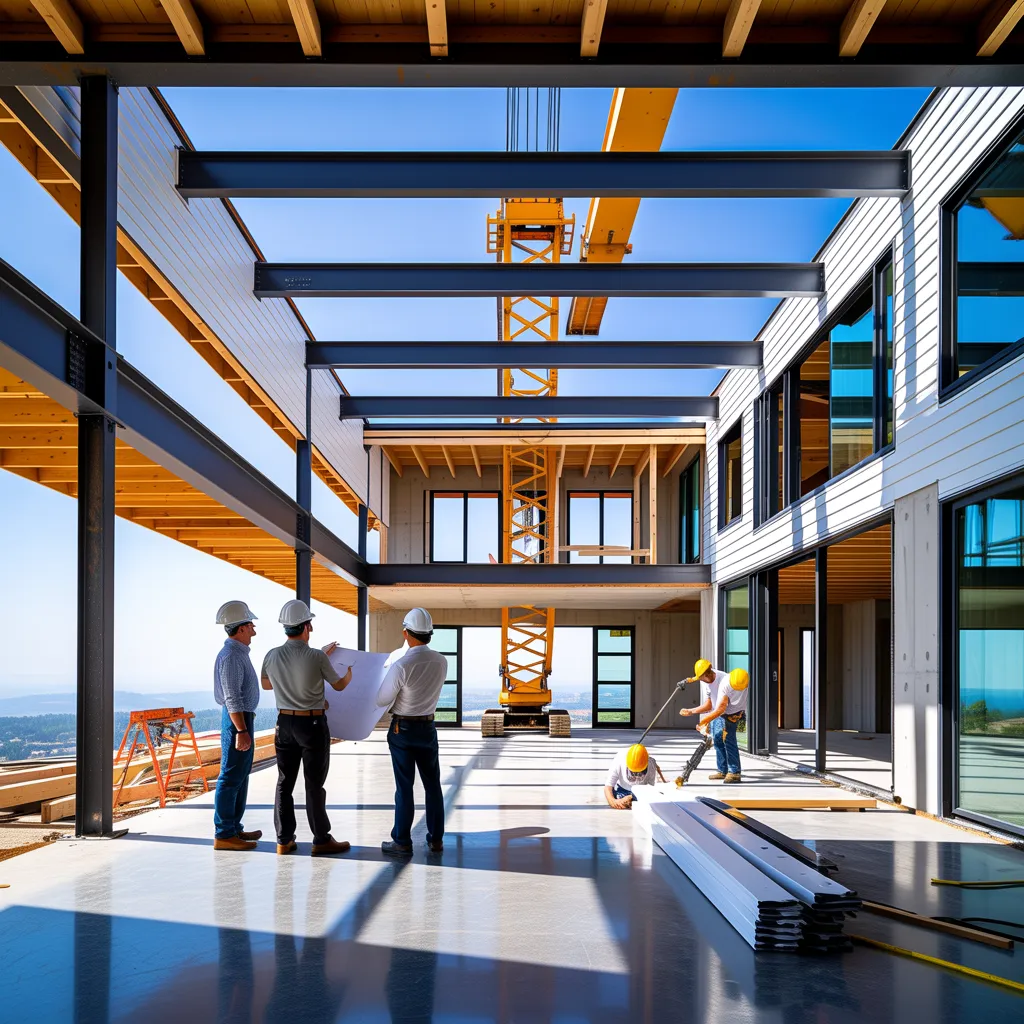
Typical Residential Design Difficulties and the Contribution Architects Provide
What creates home design to be so overwhelming for most homeowners? The difficulty of balancing personal aesthetic choices with practical needs often exhausts them. Homeowners commonly encounter issues with spatial constraints, monetary constraints, and regulatory requirements, making design work more challenging. Additionally, many absence of the technical knowledge needed to manage building considerations and building codes.
Architects fulfill an indispensable role in alleviating these challenges. Their training equips them to work through the complexities of planning, ensuring that a homeowner's vision matches with realistic facts. Architects can present creative solutions to improve space while adhering to security norms. They also assist in creating integrated designs that illustrate the homeowner's manner. By communicating understanding into materials and building techniques, architects support expedite the decision-making process. In conclusion, their skill transforms a seemingly daunting endeavor into a collaborative journey, encouraging a harmonious balance between creativity and practicality in home design.
Advantages of Collaborating With a Professional Architect
Engaging a professional architect strengthens the home design experience by blending expert knowledge with the owner's perspective. Architects bring a substantial expertise in design principles, construction codes, and eco-conscious methods, guaranteeing that the project not only meets aesthetic goals but also follows regulations. Their ability to visualize and communicate elaborate concepts supports rendering abstract concepts into physical designs.
Moreover, architects can deliver forward-thinking solutions to layout obstacles, refining usability and arrangement. They also oversee the intricacies of the construction phase, liaising with contractors and suppliers to maintain budgets and timelines are followed. This skilled oversight minimizes mistakes and reduces the stress tied to home remodeling or construction. Ultimately, engaging with an architect delivers a unified, thoughtfully designed space that reflects the homeowner's essence while enhancing overall property value.
What Represent the Key Steps in the Building Design Process?
How does the building design process unfold from initial idea to completion? The process starts with an initial consultation, where the architect and client talk about objectives, needs, and budget. This phase is crucial for establishing a clear vision. Next, the architect performs location evaluation, evaluating elements like topography, weather conditions, and zoning regulations.
Next, the conceptual stage begins. During this time, preliminary drawings and digital representations are generated, letting the client to picture the project. After the design is finalized, the architect puts together detailed construction documents, with specifications and drawings.
With necessary permits secured, the project moves into the construction phase. The architect often works with contractors to guarantee that the design is executed correctly. Regular site visits and assessments help preserve standards and compliance to the original vision. Finally, the project concludes in a walkthrough, confirming that the completed structure satisfies the client's requirements before the official handover.
How Do You Locate the Perfect Architect for Your Home?
Selecting the right designer for a residence requires careful consideration and research. Prospective buyers should begin by establishing their specific requirements and financial plan, which will guide their exploration. Suggestions from friends, relatives, or real estate specialists can offer beneficial leads. Web galleries and feedback help with examining an architect's previous projects and client contentment.
Next, prospective clients should interview multiple prospects to assess their manner of speaking, experience, and design methodology. It's crucial to discuss timelines and project expectations to ensure agreement. Additionally, confirming qualifications and checking for proper licensing and credentials can avoid future complications.
To conclude, homeowners should go with their instincts. The excellent architect should not only command the vital skills but also match the homeowner's direction and values. This mutual understanding encourages a collaborative documentation environment, ultimately enabling a successful partnership in realizing a cherished residence.
Methods to Articulate Your Vision Proficiently
Communicating a direction for home design effectively is important for a solid partnership between residents and architects. To accomplish this, residents should commence by explicitly identifying their needs and preferences. Assembling a mood board with visuals, tones, and materials can facilitate communicating aesthetic wishes. Additionally, detailing operational needs, such as room size and layout, confirms that the professional grasps tangible considerations.
Home owners should also engage in open dialogue, promoting questions and feedback to enhance their vision. Frequent discussions throughout the planning phase promote teamwork and openness. Employing clear expression to express ideas and concerns can avert misunderstandings and help align expectations.
Finally, being receptive to the architect's knowledge enables a more vibrant dialogue. By merging personal vision with professional insight, homeowners can facilitate a constructive relationship that leads to a beautifully designed space reflecting their aspirations.
How to Plan finances for Architectural design Services
As you start a home design project, establishing a budget for architecture services is critical to avert economic hardship later. Homeowners should begin by exploring typical fees in their area, which can vary based on the project's complexity and the architect's experience. It is sensible to allocate a percentage of the overall project cost specifically for architectural services, typically ranging from 5% to 15%.
Next, clients should evaluate the extent of services essential—whether they need full design and project management or merely initial consultations. Discussing openly with potential architects about their fee structures can clarify costs.
Additionally, homeowners should take into account potential revisions and unexpected expenses, building a buffer into the budget. By clearly defining their budget limits upfront, clients can guarantee they select an design professional who matches their vision while remaining within their budget constraints.
Often Asked Queries
What Types of Structural Style Are Accessible for My Home?
Homeowners have the opportunity to choose from many different architectural styles, including modern, traditional, colonial, Mediterranean, and contemporary. Each style offers unique visual character and practical benefits, enabling individuals to reflect personal taste while considering regional influences and environmental factors.
How Long Does the Design Process Typically Require?
The design process typically takes several months, determined by scope complexity, approval requirements, and local regulations. Factors such as client feedback and construction schedules can also influence the timeline greatly across the duration.
Can Architects Aid With Sustainable Construction Alternatives?
Architects can indeed provide support for sustainable design alternatives. They incorporate environmentally responsible materials, efficient energy systems, and innovative layouts, ensuring projects minimize environmental impact while enhancing functionality and aesthetic appeal, aligning with clients' sustainability goals effectively.
Which Requirements Do I Need to Find in an Design Professional?
When choosing an architect, one should evaluate their education, professional credentials, expertise with similar undertakings, collection demonstrating their aesthetic approach, and familiarity with local regulations. Communication skills and customer reviews also play vital roles in the selection process.
How Can Architects Address Zoning and Permit Obstacles?
Architects handle regulatory obstacles by performing comprehensive analysis on local regulations, assembling required paperwork, and liaising with municipal authorities. Their expertise guarantees compliance, expediting the permitting timeline for client projects effectively.